

A great product can lose momentum when people cannot quickly see what it does, how it works, or why it is different. 3D animation gives businesses a practical way to solve that problem. It turns technical features, abstract services, and hard-to-show processes into visual stories people can understand in seconds.
For marketing teams and growing brands, that clarity has real value. A well-planned animation can shorten the explanation, strengthen recall, support sales conversations, and give a campaign a more polished reason to be remembered. The result is not simply a more attractive video. It is a clearer path from interest to action.
Why 3D Animation Works for Business Communication
Some business ideas are difficult to film. A software platform has no physical movement to capture. An industrial component may operate inside a machine. A medical, financial, or technical process may be too complex, too expensive, or too impractical to recreate with live footage.
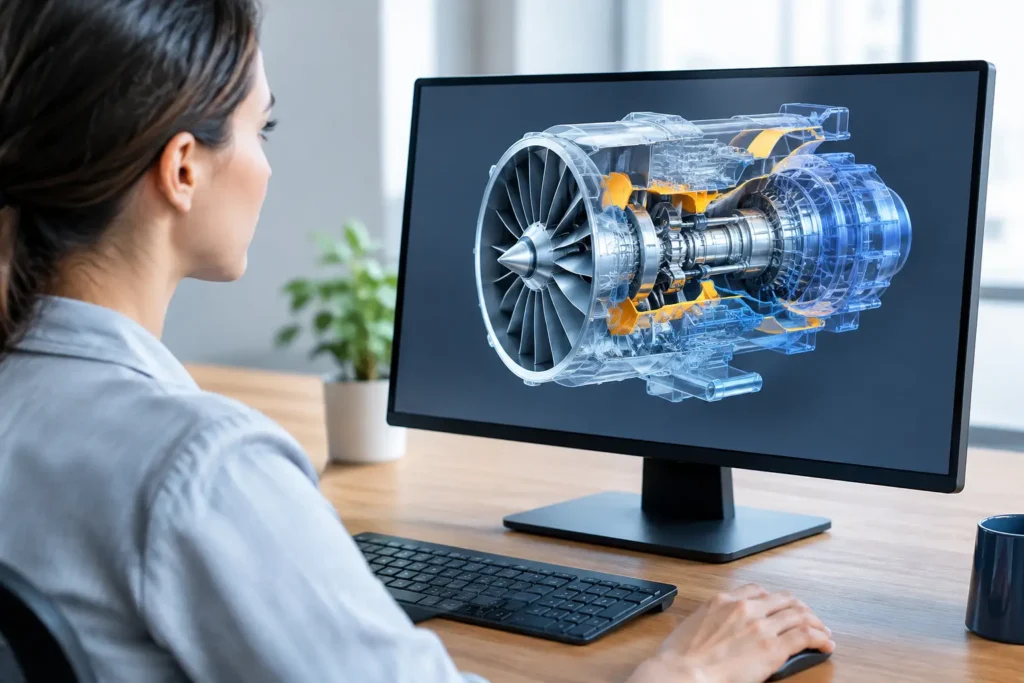
3D animation removes those constraints. It lets a brand show the invisible, simplify the complicated, and control every visual detail. A viewer can see a product from any angle, watch an internal mechanism in motion, or follow a process one clean step at a time. That level of control is especially valuable when the goal is education, not just visual impact.
It also gives teams a consistent visual environment. Colors, lighting, materials, labels, camera movement, and brand elements can all be designed around a specific message. Instead of relying on what happens to be available on set, the creative direction serves the strategy from the start.
Where 3D Animation Delivers the Strongest Results
The best use case depends on the audience and the decision a video needs to support. A short social ad may need immediate visual energy, while a sales presentation may need a slower, more detailed explanation. The same asset style will not serve every objective equally well.
Product demonstrations are one of the most effective applications. A 3D product video can show assembly, functionality, materials, scale, and key differentiators without requiring a full production shoot. This is useful for physical products at any stage, including pre-launch concepts that have not yet been manufactured.
Technical explainers are another strong fit. If your company sells software, infrastructure, engineering services, healthcare solutions, logistics tools, or specialized equipment, your audience may need context before they can appreciate the value. Animation makes it easier to visualize workflows, data movement, system integrations, and outcomes that would otherwise stay abstract.
3D visuals can also strengthen trade show displays, paid campaigns, landing pages, investor presentations, onboarding materials, and sales outreach. The key is to assign the video a clear job. A visual that earns attention is useful. A visual that helps a prospect understand, remember, and respond is far more valuable.
Start With the Message, Not the Model
A common mistake is treating animation as a design exercise first. High-end rendering can make an impression, but detail alone does not create persuasion. If the central message is unclear, even beautiful visuals can leave viewers asking the wrong questions.
Before production begins, define the audience, the core problem they face, and the one idea they should retain after watching. A buyer who is unfamiliar with your category needs a different story than an existing customer considering an upgrade. Likewise, a founder presenting to investors has different needs than a marketing manager building a demand generation campaign.
A useful creative brief answers a few essential questions in plain language: What should the viewer understand? What should they feel? What action should they take next? Those answers shape the script, scene sequence, voice-over, pacing, and call to action.
The strongest animations do not attempt to say everything. They make the most important point easy to grasp, then give the viewer a credible reason to keep moving forward.
What a Business-Focused 3D Animation Process Looks Like
Professional production is structured because revisions become costly when the foundation is vague. The process usually begins with discovery and strategy. This stage identifies the audience, project goal, distribution channel, brand guidelines, key features, and required deliverables.
Next comes the script and visual concept. The script gives the story a logical order, while a storyboard or style frame shows how that story will look. This is the right time to align on tone. Should the video feel premium, approachable, futuristic, clinical, playful, or highly technical? A clear answer prevents creative drift later.
Once the direction is approved, artists build the models, environments, materials, and animation. Voice-over, music, and sound design are layered in to support the message rather than compete with it. Sound matters more than many teams expect. The right pacing and audio cues can make a product feel more intuitive, precise, or valuable.
Review points should be planned at meaningful stages: script, storyboard, initial design, animation preview, and final delivery. That approach keeps feedback focused. It is much easier to adjust a scene before it is fully rendered than after every detail has been finalized.
Choosing the Right Level of Detail
Not every project needs photorealistic 3D animation. In some cases, a stylized approach communicates faster and costs less. For others, realism is essential because the product’s material quality, scale, engineering, or physical behavior is part of the selling point.
Photorealistic animation is often a smart choice for consumer products, premium equipment, architecture, manufacturing, and product launches. It can create a sense of ownership before a customer ever sees the item in person. However, it requires more time for modeling, texturing, lighting, rendering, and refinement.
A simplified visual style can work better for software services, broad concepts, internal training, or campaigns where the audience needs a quick explanation. The goal is not to choose the most elaborate option. It is to choose the option that makes the message feel clear, credible, and worth watching.
Video length matters, too. A 20-second campaign asset may focus on one compelling benefit. A 60- to 90-second explainer can introduce a problem, show the solution, and create a stronger case for action. Longer technical videos can be useful when the audience is already engaged, but they need disciplined pacing to avoid losing attention.
Measuring More Than Views
Views are a starting point, not a final verdict. A video can attract attention and still fail to move the business forward. Measurement should connect to the role the animation plays in the buyer journey.
For awareness campaigns, watch time, completion rate, reach, and brand recall can indicate whether the creative is earning attention. For landing pages and paid campaigns, look at click-through rate, time on page, form completions, demo requests, and cost per lead. In sales enablement, feedback from prospects, shorter explanation time, and improved conversion across key stages can be just as meaningful.
It also helps to plan for reuse. A primary animation can often become short cutdowns, product clips, presentation segments, paid social creative, website loops, or sales follow-ups. Building those versions into the project scope can extend the value of the original investment and keep brand messaging consistent across channels.
Common Problems That Reduce Impact
The first problem is trying to fit an entire company story into one video. When every feature, audience, and benefit is included, the main message gets buried. Focus creates momentum.
The second is approving visuals without considering where they will appear. A trade show screen, a mobile ad, a homepage hero, and a sales deck all have different viewing conditions. Small labels, slow openings, and detailed scenes may work in one setting but fail in another.
The third is leaving the call to action until the end of the process. If the desired next step is a demo request, product trial, consultation, or purchase, that decision should shape the script from the beginning. The final seconds should feel like the natural next move, not an afterthought.
Make Every Frame Earn Its Place
Business animation works best when creative ambition and commercial discipline support each other. The visuals should be compelling enough to stop the scroll, but purposeful enough to clarify a decision. That balance is where a capable production partner makes a difference.
At AnimateWiz, the focus is on turning complex messages into visual stories built to captivate, educate, and convert. The most effective 3D animation does not just show what your business offers. It helps the right audience see why it matters.